
2026 GUIDE | UPDATED: 09/25/26
The Psychology of Naked Fitness
Explore how naked fitness may influence body image, confidence, self-consciousness, mindfulness, sexuality, playfulness, and the way people experience their bodies.
We spend our entire lives in our bodies, yet many people feel surprisingly disconnected from them. We learn how to evaluate appearance, conceal perceived flaws, manage weight, dress appropriately, and present ourselves to other people, but we receive far less guidance on how to feel comfortable inside the body itself.
Modern fitness often reinforces this distance. The body becomes a project measured through weight, muscle tone, calories, photographs, performance, and comparison. Those measurements can be useful, but they can also encourage people to observe their bodies from the outside rather than experience them from within.
Naked fitness changes the context. Removing clothing can make familiar movement feel more immediate, physically revealing, and emotionally unfamiliar. People may notice self-consciousness, curiosity, excitement, discomfort, freedom, humor, or a combination of reactions that shifts from one session to the next.
The psychological value does not come from nudity alone. It comes from what someone does with the experience: paying attention, moving safely, allowing familiarity to develop, and learning to observe the body without turning every observation into a judgment.
Many people are comfortable being naked in private. The harder question is whether they feel comfortable being seen, even by themselves.
On This Page
- Why Nakedness Feels Vulnerable
- When the Body Becomes an Object
- How Movement Changes Attention
- Body Awareness and Interoception
- The Nervous System, Stress, and Safety
- How Confidence Develops
- Naked Fitness and Body Image
- Sexuality, Attraction, and Vitality
- Playfulness and Creativity
- Why Adults Stop Playing
- Relationships and Intimacy
- Aging and Changing Bodies
- Healthy Psychological Boundaries
- What We Learned at Maiden Lane Studios
- What Surprises People Most
- Jean V’s Perspective
- Frequently Asked Questions
Why Nakedness Feels Vulnerable
Nakedness carries meaning long before someone begins a workout. It can be associated with privacy, childhood, sexuality, medical care, exposure, shame, freedom, intimacy, aging, or being judged. These associations come from personal experience as well as family, religion, culture, media, and social expectations.
Clothing gives people control over what is visible. It can shape the body, conceal areas that create insecurity, signal identity, and help someone decide how they want to be perceived. Removing it can temporarily remove some of that control.
This helps explain why a private naked workout can feel vulnerable even when no one else is present. A person may still imagine how they would be evaluated, compare themselves with familiar beauty standards, or notice parts of the body they usually conceal. The imagined observer can remain active even in an empty room.
That reaction does not mean someone is too insecure for naked fitness. It means the experience has brought an existing pattern into view. The person can then decide whether to continue, adjust the environment, remain partially clothed, or explore the discomfort gradually.
Being Naked and Being Seen
Many people are comfortable showering, sleeping, changing clothes, or walking through their homes naked. The emotional response changes when a mirror, camera, partner, instructor, or imagined audience enters the situation.
Being seen raises questions about acceptance, attraction, aging, comparison, and control. Someone may wonder whether their body appears normal, desirable, fit, young, or worthy of attention. These concerns can exist even when the person intellectually rejects narrow beauty standards.
A private naked fitness practice can offer a lower-pressure way to explore these reactions. The body is visible, but it is also occupied with movement. Attention has somewhere practical to go, including breathing, balance, rhythm, coordination, strength, and physical sensation.
When the Body Becomes an Object
People often learn to view their bodies from an outside perspective. They imagine how they appear in photographs, clothing, mirrors, social settings, fitness spaces, and intimate situations. This outside view can become so familiar that it begins to feel like the only way to understand the body.
Fitness culture can strengthen that habit when progress is presented mainly through before-and-after photographs, weight, measurements, muscle definition, or visual transformation. Appearance-related goals are legitimate, but they provide only one kind of information.
The body also has an internal life. It breathes, balances, senses temperature, experiences tension, responds to touch, produces energy, adapts to stress, and communicates fatigue, hunger, discomfort, pleasure, and readiness. These experiences cannot be understood entirely through appearance.
Naked fitness can make the outside view more noticeable at first because more of the body is visible. With good instruction and repeated practice, attention may begin to move toward physical experience. The person learns that the body can be observed without being reduced to an object.
Appearance and Function Can Coexist
Someone can care about how they look and still develop a healthier internal relationship with the body. Wanting muscle tone, a particular shape, greater attractiveness, or visible physical progress does not prevent a person from also valuing strength, mobility, pleasure, confidence, and comfort.
The difficulty begins when appearance becomes the only meaningful measure. A body may look different from an ideal and still be capable, responsive, sensual, strong, playful, and fully involved in life. Naked fitness can broaden the range of qualities a person notices.
The body can be something you appreciate visually while also being the place from which you move, feel, connect, and experience your life.
How Movement Changes Attention
Standing naked in front of a mirror can create intense appearance-based attention. Moving changes the experience because the brain has more information to process. Balance, breathing, timing, muscle engagement, coordination, and physical effort begin competing with visual self-evaluation.
This is one reason many people report that the nudity becomes less important once a class begins. They may start by noticing the stomach, hips, chest, skin, or signs of aging, but soon become more concerned with holding a position, following a sequence, or finding a comfortable range of motion.
Movement also provides information that a static image cannot. Someone may notice strong legs, a stable core, expressive hips, improving balance, or a greater capacity to move than expected. These experiences can gradually influence how the person understands the body.
The psychological shift is usually subtle. A person does not suddenly stop caring about appearance. They begin adding other forms of evidence to the picture, and those forms may become more meaningful over time.
From Evaluation to Participation
Evaluation asks whether the body looks acceptable. Participation asks what the body can do and how the experience feels. Both forms of attention may be present during a naked workout, especially in the beginning.
With repetition, participation often becomes easier. The person begins to recognize familiar movements, physical sensations, and emotional responses. The body becomes less surprising and therefore less likely to command constant visual judgment.
This familiarity can support consistency. Exercise becomes an activity someone participates in rather than a performance in which the body is continuously graded.
Body Awareness and Interoception
Body awareness includes noticing posture, balance, muscle engagement, movement patterns, skin sensation, tension, comfort, and the position of the body in space. Interoception refers more specifically to the processing and interpretation of signals that arise within the body, including breathing, heartbeat, temperature, hunger, fatigue, tension, arousal, and physical discomfort.
These abilities are related but should not be treated as identical. Seeing how the pelvis moves during Pilates is different from sensing a quickened heartbeat or recognizing that the shoulders are tense because of stress.
Exercising without clothing may make some visual and sensory information easier to notice, but nudity has not been established as a direct way to improve interoception. Any benefit is more likely to come from the attention used during movement, breathwork, meditation, and repeated physical practice.
Why Internal Signals Matter
People make better movement decisions when they can notice and interpret physical signals. They are more likely to recognize when an exercise feels productive, when fatigue is affecting technique, when a stretch has become too aggressive, or when the body needs recovery.
Internal awareness also matters outside exercise. Stress, hunger, sexual arousal, fatigue, discomfort, relaxation, and emotional activation all have physical components. A person who notices these signals may have more information available when deciding how to respond.
Awareness alone does not guarantee a healthy interpretation. People can become overly focused on bodily sensations or misunderstand them, particularly when anxiety, pain, trauma, or a medical condition is involved. The goal is attentive and practical awareness rather than constant monitoring.
Mindfulness and the Body
Mindfulness practices encourage people to observe present experience with curiosity and less immediate judgment. In movement, this may involve noticing breath, balance, effort, temperature, tension, or an emotional reaction without rushing to change it.
Naked fitness can create a strong opportunity for this kind of attention because the experience may produce clear physical and emotional responses. Someone can notice embarrassment without assuming they should stop, or recognize excitement without believing the workout must become sexual.
The person retains choice throughout the process. They can continue, modify the practice, put clothing back on, avoid mirrors, or return another day. Mindfulness does not require tolerating an experience that feels unsafe.
The Nervous System, Stress, and a Sense of Safety
The nervous system constantly receives information about the body and environment. Privacy, temperature, sound, lighting, unfamiliar sensations, memories, and the possibility of being observed can all affect how a person responds during a naked workout.
Someone may feel calm and curious in a locked bedroom but tense near an uncovered window. Another person may enjoy a mirror, while someone else finds it distracting or critical. These differences are personal and do not indicate that one response is more evolved than another.
A useful practice begins with enough safety for attention to remain available. This can include closing blinds, turning off cameras, choosing familiar movement, keeping clothing nearby, and beginning with a short session. The environment should reduce avoidable stress rather than create a test of courage.
What People Mean by Nervous-System Regulation
The phrase “nervous-system regulation” is widely used in wellness, sometimes with more certainty than the evidence supports. In practical terms, people are often describing the ability to notice activation, recover from stress, and use tools that help them return to a more manageable state.
Breathing exercises, meditation, gentle movement, stretching, predictable routines, and physical activity may help some people relax or manage stress. These practices can be useful, but they should not be presented as guaranteed treatment for trauma, anxiety disorders, depression, or other mental-health conditions.
Naked fitness may contribute when the person experiences the practice as safe, voluntary, and enjoyable. It may have the opposite effect when privacy is uncertain, boundaries are unclear, or someone feels pressured to remove clothing.
Choice Builds Psychological Safety
Autonomy is central to a healthy clothing-optional practice. Someone should be able to decide how much clothing to wear, whether to use a mirror, whether to appear on camera, what kind of movement to perform, and when to stop.
A practice based on pressure can reinforce the same loss of control that many people are trying to move away from. A practice based on choice gives the person repeated opportunities to listen, decide, and act in accordance with their own comfort.
Confidence grows more reliably when people are allowed to choose their level of challenge.
How Confidence Develops
Confidence is often treated as a personality trait that someone either has or lacks. In practice, confidence is usually specific to a situation and develops through experience. A person may be confident at work and deeply uncomfortable with their body, or physically capable in a gym and anxious during intimacy.
Most people do not begin naked fitness because they have eliminated every insecurity. They begin with curiosity alongside discomfort. Each manageable experience provides evidence that they can move, breathe, feel exposed, adjust, and complete the session without anything terrible happening.
Over time, the environment becomes more familiar. The person no longer needs to devote as much attention to the fact that they are naked, leaving more attention available for movement and enjoyment. Confidence develops through this familiarity rather than through a demand to feel fearless.
Confidence Is Built Through Action
Waiting to feel fully confident can keep people from beginning for years. Action provides information that imagination cannot. A short private workout may reveal that the experience feels awkward, liberating, physically comfortable, funny, neutral, or very different from what the person expected.
The outcome does not need to be dramatic. Simply completing a practice and deciding what to do next can strengthen trust in personal judgment. That trust is one of the foundations of confidence.
Confidence Is Different From Approval
Confidence does not require believing that everyone would find the body attractive. It involves becoming less dependent on universal approval and more able to participate in life despite normal imperfections and uncertainty.
This distinction matters because no body can satisfy every preference or cultural ideal. A more durable form of confidence comes from familiarity, capability, self-respect, and the belief that appearance does not need to be perfect before someone can move, connect, or experience pleasure.
Naked Fitness and Body Image
Body image includes how a person sees, thinks about, feels about, and behaves toward the body. It can be influenced by family, culture, relationships, media, health, age, weight changes, pregnancy, illness, disability, and previous experiences of praise, criticism, attraction, or rejection.
Physical activity has been associated with improvements in body-image outcomes in some research, although the effects vary by person and program. A movement practice can help someone experience the body through function and capability, but exercise can also become compulsive or reinforce dissatisfaction when it is driven entirely by fear and appearance.
Naked fitness should therefore avoid promising automatic body acceptance. Some people may feel more comfortable over time, while others may initially become more aware of dissatisfaction. The quality of the instruction, the person’s motivation, and the way the practice is framed all matter.
Familiarity Can Reduce Emotional Intensity
People sometimes avoid looking at or touching parts of their bodies that create discomfort. Avoidance can preserve the belief that these areas are unusually unacceptable because the person never gains ordinary, neutral familiarity with them.
Private naked movement may provide repeated exposure in a practical context. The stomach bends during Pilates, thighs move during barre, skin folds during yoga, and the body changes shape through normal movement. These experiences can make the body feel less like a fixed image and more like a living structure.
Familiarity does not require admiration. A person may still have preferences and goals while becoming less shocked, ashamed, or controlled by ordinary physical realities.
Body Neutrality Can Be a Useful Goal
Some people find “body positivity” difficult because they do not feel able to love every part of their appearance. Body neutrality offers another approach: the body can be treated with care and respect even when positive feelings are inconsistent.
Naked fitness can support neutrality when the practice emphasizes movement, function, privacy, and choice. The person does not need to declare the body beautiful before using it, caring for it, or allowing it to experience pleasure.
Sexuality, Attraction, and Vitality
Sexuality is one reason some people become curious about naked fitness, and there is no value in pretending otherwise. People want to feel attractive, desirable, energetic, responsive, and more comfortable during intimacy. These are ordinary human motivations and legitimate parts of wellbeing.
A professional naked fitness practice can acknowledge sexuality without turning the workout into sexual entertainment. The distinction depends on purpose, consent, presentation, boundaries, and behavior. Movement can remain the central activity while the broader conversation includes attraction, confidence, pleasure, and intimate health.
Feeling Attractive Is More Than Appearance
Attraction can be influenced by posture, energy, expression, confidence, movement quality, humor, physical presence, and the way a person inhabits the body. Someone may become more attractive to themselves or a partner without achieving a dramatic visual transformation.
Naked movement can make these qualities easier to experience. A person may notice strength during a Pilates sequence, grace during yoga, sensuality during dance, or confidence while moving through a challenging barre routine.
These experiences do not guarantee a change in sexual confidence, but they provide alternatives to the belief that attractiveness depends entirely on meeting a narrow physical ideal.
Exercise and Sexual Wellbeing
Regular physical activity may support aspects of sexual wellbeing through cardiovascular fitness, energy, mobility, strength, stress management, physical comfort, and confidence. The research is stronger for certain outcomes and populations than others, and exercising naked has not been established as a treatment for sexual concerns.
Low desire, pain, erectile difficulties, hormonal changes, trauma, medication effects, and relationship concerns can have complex causes. These issues deserve appropriate medical, psychological, pelvic-health, or relationship support when they persist.
Naked fitness can still provide a supportive context for becoming more familiar with the body, discussing sexual wellbeing without shame, and building physical qualities that may contribute to a more active and satisfying life.
Vitality Is Difficult to Measure
Vitality includes energy, curiosity, desire, playfulness, resilience, physical responsiveness, and an active interest in life. These qualities do not fit neatly into a workout tracker, yet they influence whether someone feels engaged or merely functional.
People often pursue exercise because they want more than disease prevention. They want enough energy for relationships, creativity, travel, dancing, sex, work, and the activities that give life texture.
Naked fitness can make that intention more explicit. The goal can include strength and longevity while also making room for desire, pleasure, expression, and the experience of feeling alive.
Wanting to feel attractive, sexually confident, and fully alive is a valid reason to take care of your body.
Playfulness and Creativity
Playfulness is often treated as optional once people become adults. Work, family, health, and responsibility take priority, while movement becomes structured around outcomes. Exercise is expected to burn calories, improve performance, or correct a physical problem.
Naked fitness can interrupt that seriousness. The experience may feel surprising, mildly rebellious, funny, sensual, awkward, or freeing. Those reactions can bring experimentation back into movement.
A person may dance differently when no one is watching, choose music that changes the mood, repeat a movement because it feels satisfying, or laugh when a sequence becomes unexpectedly difficult. None of these moments reduce the value of the workout.
Enjoyment Supports Repetition
People are more likely to repeat movement that gives something back to them. An effective workout may produce physical results, but enjoyment, curiosity, calm, confidence, or playfulness can determine whether someone returns.
This matters because most benefits of exercise develop through consistency. A shorter practice that someone enjoys and repeats may be more valuable than a theoretically superior program they avoid.
Naked fitness can make familiar movement feel new. That novelty will not last forever, but it may help people discover styles of exercise and forms of expression they genuinely enjoy.
Movement and Creativity
Movement, music, rhythm, breathing, and physical sensation can change attention and mood. Some people feel more expressive after dancing, walking, practicing yoga, or completing a workout that interrupts mental fatigue.
There is not enough evidence to claim that naked fitness directly improves creativity. The more reasonable possibility is that privacy, movement, reduced inhibition, and play may create conditions in which someone feels more willing to experiment.
Creativity can appear in the movement itself or later in the day. A person may think differently after leaving a familiar mental pattern, reconnecting with physical sensation, or giving themselves permission to behave less predictably.
Why Adults Stop Playing
Children move because movement is part of exploration. They run, crawl, climb, dance, spin, jump, and repeat actions without needing every activity to produce a measurable result.
Adults tend to separate movement into categories. Exercise belongs in a workout, dancing belongs at an event, stretching happens because something hurts, and play is reserved for children. The body becomes increasingly managed and less frequently explored.
This change is understandable. Adult life requires schedules, professionalism, social awareness, and physical caution. The problem arises when control becomes so complete that movement loses spontaneity and pleasure.
A private naked fitness practice can create a contained space for experimentation. The person remains responsible for safety and boundaries while allowing more humor, expression, curiosity, and physical freedom than daily life usually permits.
The Psychological Value of Permission
Many adults are waiting for permission to enjoy their bodies. They may believe pleasure must be earned through appearance, productivity, fitness, youth, or approval from a partner.
Naked fitness can provide a setting in which pleasure is part of the practice rather than a reward delivered afterward. Music can feel good, stretching can feel satisfying, effort can be energizing, and nakedness can be ordinary or enjoyable.
This permission does not require abandoning discipline. A practice can be technically sound, physically challenging, and carefully structured while still allowing enjoyment and play.
Taking care of the body should leave room for enjoying it.
Relationships and Intimacy
The way people experience their bodies affects how they participate in relationships. Someone who feels deeply self-conscious may avoid being seen, touched, photographed, or physically expressive. They may remain mentally occupied with appearance during moments when they would prefer to be present with a partner.
Naked fitness cannot resolve every relationship or intimacy concern. It can provide a nonsexual setting in which someone becomes more familiar with being naked, notices emotional reactions, and develops greater trust in physical capability.
This familiarity may reduce some of the novelty or anxiety attached to nudity. The body becomes something the person sees while breathing, working, balancing, laughing, and recovering, rather than something exposed only during sex or evaluation.
Being Present During Intimacy
Self-consciousness can divide attention. One part of the mind participates in intimacy while another imagines how the body appears. Greater body familiarity may help some people spend less attention monitoring themselves.
Mindfulness and movement practices can also develop skills related to noticing sensation, communicating discomfort, recognizing arousal, slowing down, and remaining present. These abilities may influence intimacy, although the effects will vary considerably.
People experiencing persistent sexual anxiety, trauma responses, pain, or relationship conflict should seek appropriate professional support. A fitness practice can complement that work but should not be presented as a substitute.
Practicing With a Partner
Couples may choose to practice naked fitness together as a shared wellness activity. Yoga, stretching, Pilates, barre, dance, meditation, and mobility can create time for movement, humor, and connection away from screens and daily responsibilities.
Both people should agree on the activity, clothing level, boundaries, and whether the session remains nonsexual. A shared practice should increase trust and autonomy rather than create pressure to perform or participate.
Aging and Changing Bodies
Bodies change through age, pregnancy, menopause, illness, injury, surgery, stress, medication, and changes in activity or weight. These changes can affect appearance, identity, confidence, sexuality, and the way a person expects the body to function.
People often respond by avoiding mirrors, photographs, movement, or intimacy. Avoidance may provide short-term relief, but it can also increase the emotional distance between the person and the body they currently have.
Naked fitness offers one possible way to become reacquainted. Movement provides practical information about strength, mobility, balance, comfort, and capability while the person gradually becomes more familiar with visible changes.
Confidence After Physical Change
Rebuilding confidence does not require pretending nothing has changed. Pregnancy may change the abdomen and pelvic floor. Menopause may affect energy, sleep, body composition, temperature, and sexual wellbeing. Injury or surgery may leave scars, altered movement, or fear.
A thoughtful fitness practice begins with the current body rather than trying to recreate a previous version immediately. Appropriate strength, mobility, balance, breathwork, and recovery can support function while the psychological relationship develops at its own pace.
Naked movement may feel especially direct during this process. Some people will find it helpful, while others may prefer partial clothing or a gradual approach. Choice remains more important than speed.
Aging, Attraction, and Visibility
Many cultures celebrate youthful bodies while giving older adults fewer positive examples of sexuality, strength, playfulness, and physical confidence. This can make natural changes feel like a loss of visibility or value.
Naked fitness can create a private place to reject some of those assumptions. An older body can remain strong, responsive, sensual, flexible, expressive, and capable of learning. The goal does not need to be looking younger.
People may still pursue aesthetic goals, but age does not remove the right to feel attractive, sexually alive, or interested in physical experience.
Healthy Psychological Boundaries
Naked fitness should expand autonomy rather than create pressure. No one needs to be fully nude, appear on camera, use a mirror, practice with another person, or continue an experience that feels emotionally unsafe.
Discomfort can be part of learning, but discomfort is not automatically evidence of growth. The person should be able to distinguish between manageable unfamiliarity and a reaction that feels overwhelming, destabilizing, or connected to trauma.
A healthy practice allows adjustments. Clothing can be added, lighting can change, the session can become shorter, and a different type of movement can be selected. These decisions are part of body awareness rather than signs of failure.
When Professional Support May Help
Naked fitness is not mental-health treatment. People dealing with severe body-image distress, eating disorders, compulsive exercise, depression, trauma, sexual pain, or anxiety that disrupts daily life may need support from qualified professionals.
Movement can remain part of a broader care plan when appropriate. The goal is to use fitness as a supportive practice without asking it to resolve concerns that require specialized assessment and treatment.
Anyone whose exercise becomes compulsive, punitive, or driven by escalating fear should reconsider the routine and seek guidance. A healthy practice should support life rather than consume it.
What We Learned at Maiden Lane Studios
During my years operating Maiden Lane Studios in San Francisco, I worked with an extremely varied community. Our clients included professionals, parents, athletes, executives, pregnant women, people returning from injuries, and people who had never felt comfortable in conventional fitness spaces.
They arrived with different bodies and goals, but many shared the same underlying concern. They wanted to feel better physically while also becoming more confident, capable, energetic, and comfortable in their lives.
Pilates, yoga, barre, mobility, meditation, breathwork, and fascial techniques were useful tools. The deeper work involved helping people pay attention, understand their bodies, move safely, and build routines they could sustain.
The clients who developed the strongest practices were rarely the ones chasing perfection most aggressively. They were the people who learned to respond to their bodies with more intelligence and less hostility.
People Needed More Than Exercise
Many clients needed strength or mobility, but they also needed permission to slow down, try something unfamiliar, accept modifications, enjoy movement, and acknowledge goals related to confidence or intimacy without embarrassment.
This is part of what led to Naked Fit Club. Traditional fitness often isolates physical outcomes from the emotional, social, and sexual experience of living in a body. Our work has always been more integrated.
Movement can support posture, strength, balance, and recovery while also influencing confidence, enjoyment, expression, relationships, and the way someone carries themselves through the day.
The people who stayed consistent were usually building a body that felt good to live in, rather than chasing a body that only looked good from the outside.
Jean V’s Perspective
After years of working with people, I came to understand that many of us spend an enormous amount of time negotiating with our bodies. We promise ourselves that confidence, pleasure, movement, photographs, intimacy, and certain experiences will become available after we change enough.
That bargain can last for decades. The body changes, the goal moves, and permission remains somewhere in the future.
Naked fitness creates an opportunity to interrupt that pattern. You can move with the body you have today, observe it honestly, care for it intelligently, and discover that confidence does not require the complete absence of insecurity.
The practice should never force exposure or pretend that every emotional concern can be solved through exercise. It can provide a private place to become more familiar with yourself, enjoy movement, explore confidence and sexuality, and remember that your body is involved in every part of your life.
Jean V
Founder, Naked Fit Club and Maiden Lane Studios
The Psychological Value of Naked Fitness
The psychology of naked fitness cannot be reduced to confidence or body acceptance. The practice can bring together vulnerability, attention, autonomy, physical sensation, sexuality, playfulness, and the desire to feel more fully involved in life.
Some people will experience meaningful changes, while others may simply enjoy a private workout without clothing. Both outcomes are valid. Naked fitness does not need to produce a transformation in order to be worthwhile.
The most useful practice is one that respects boundaries, includes intelligent movement, and allows someone to gather new information about the body without being overwhelmed by judgment. Over time, that information may influence confidence, intimacy, movement habits, and the way the person understands themselves.
Many people have spent years looking at their bodies as though they were problems waiting to be corrected. Naked fitness offers a chance to experience the body as a source of movement, strength, sensation, pleasure, creativity, and connection.
The body is more than an image. It is where life happens.
Explore Naked Fit Club
Naked Fit Club offers Pilates, yoga, barre, dance-inspired movement, mobility, stretching, breathwork, meditation, functional strength, and holistic wellness programs designed for private practice at home.
Explore classes that support strength, mobility, body awareness, confidence, sexual wellbeing, creativity, relaxation, and a more enjoyable relationship with movement.
Continue Exploring
- What Is Naked Fitness?
- The Benefits of Naked Fitness
- The Psychology of Naked Fitness
- Beginner’s Guide to Naked Fitness
- Naked Fitness at Home
Frequently Asked Questions About the Psychology of Naked Fitness
What is the psychology behind naked fitness?
Naked fitness may affect how people experience vulnerability, body image, attention, confidence, privacy, sexuality, and physical awareness. The psychological experience depends on personal history, culture, motivation, environment, boundaries, and the type of movement being practiced.
Why does being naked feel vulnerable?
Clothing provides privacy, control, and a way to manage how the body is presented. Removing it can increase awareness of appearance, perceived flaws, social judgment, sexuality, aging, and the possibility of being seen. These reactions are shaped by culture and personal experience.
Why do people enjoy exercising naked?
People may enjoy the freedom from clothing, increased physical sensation, privacy, novelty, playfulness, body awareness, or the experience of moving without needing to manage how they appear to others.
Is naked fitness good for mental health?
Naked fitness may support enjoyment, mindfulness, body familiarity, and confidence for some people when practiced voluntarily in a safe setting. It is not a treatment for mental-health conditions and may feel uncomfortable or unhelpful for others.
Can naked fitness improve confidence?
Some people develop greater confidence through repeated, manageable experiences of moving without clothing. Confidence may also grow through improved strength, mobility, physical capability, familiarity, and trust in personal boundaries.
Does naked fitness improve body image?
Naked fitness may help some people become more familiar with their bodies and place greater value on movement and function. It does not guarantee improved body image, and people with severe body-image distress may need support from a qualified professional.
Can naked fitness reduce self-consciousness?
Repeated private practice may reduce some self-consciousness as nudity becomes more familiar and attention shifts toward breathing, movement, balance, and physical effort. The process varies and should not be forced.
What is embodiment?
Embodiment generally refers to the experience of living through and being present in the body rather than relating to it only as an object or image. Movement, physical sensation, breathing, and attention can all contribute to an embodied experience.
What is interoception?
Interoception refers to how the nervous system processes and interprets signals from within the body, including breathing, heartbeat, hunger, temperature, fatigue, tension, discomfort, and arousal.
Does naked fitness improve interoception?
There is not enough evidence to claim that exercising naked directly improves interoception. Mindfulness, meditation, breath awareness, and attentive movement may help people become more aware of internal signals, whether they are clothed or naked.
Can naked fitness improve body awareness?
Practicing without clothing may make posture, alignment, muscle engagement, skin sensation, and movement patterns easier to observe. Useful body awareness also depends on attention, instruction, experience, and the ability to interpret sensations appropriately.
Can naked fitness regulate the nervous system?
Breathing, meditation, physical activity, slow movement, and restorative practices may help some people manage stress and relax. Naked fitness should not be presented as guaranteed nervous-system treatment or a replacement for medical or mental-health care.
Why does moving reduce the focus on nudity?
Movement requires attention to balance, coordination, breathing, rhythm, technique, and physical effort. These demands can shift attention away from appearance and toward participation in the activity.
Can naked fitness help with anxiety?
A private practice may feel calming for some people, while nudity may initially increase anxiety for others. Anyone experiencing significant or persistent anxiety should seek appropriate professional care rather than relying on naked fitness as treatment.
Can naked fitness support mindfulness?
Naked movement may encourage attention to physical sensation, breathing, balance, temperature, posture, and emotional reactions. Mindfulness depends on how attention is used rather than on the absence of clothing alone.
Why can naked fitness feel liberating?
Some people experience freedom from restrictive clothing, social expectations, appearance management, or the pressure to present themselves in a particular way. The private ability to choose how the body moves and appears may create a sense of autonomy.
Is naked fitness sexual?
A professionally presented naked fitness practice should focus on movement, consent, health, privacy, and wellbeing. It may still acknowledge sexuality, attraction, intimacy, and desire because these are connected to the broader experience of living in a body.
Can naked fitness improve sexual confidence?
Becoming more familiar with the body and developing greater strength, mobility, energy, and confidence may positively influence sexual confidence for some people. Naked fitness is not a treatment for sexual dysfunction, pain, trauma, or relationship concerns.
Can exercise improve sexual wellbeing?
Regular physical activity may support cardiovascular fitness, stamina, strength, mobility, stress management, energy, and confidence, all of which can influence sexual wellbeing. Outcomes vary according to health, relationships, hormones, medication, and other factors.
Can naked fitness improve intimacy?
Greater body familiarity and comfort may help some people feel more present and less self-conscious during intimacy. Naked fitness cannot resolve every intimacy concern, but it may complement communication, relationship work, or appropriate professional care.
Why can naked fitness feel playful?
The experience may feel unexpected, private, humorous, mildly rebellious, or expressive. This change from highly structured fitness can make it easier for some people to dance, experiment, laugh, and enjoy movement.
Can naked fitness improve creativity?
There is not enough evidence to claim that naked fitness directly improves creativity. Movement, music, play, privacy, and reduced inhibition may help some people feel more expressive or willing to experiment.
Is naked fitness spiritual?
Naked fitness can feel spiritual for people who associate movement, nature, breath, vulnerability, or physical presence with a deeper sense of connection. It can also be practiced as a straightforward fitness activity without spiritual meaning.
Can naked fitness help people accept aging?
Some people find that moving without clothing helps them become more familiar with changes related to age, menopause, pregnancy, illness, injury, or weight. Acceptance develops differently for everyone and does not require abandoning health or appearance goals.
Can older adults benefit from naked fitness?
Older adults may benefit from appropriately designed strength, balance, mobility, flexibility, cardiovascular, and mindfulness practices. The benefits come primarily from regular movement, while the clothing-optional setting may influence comfort, confidence, and enjoyment.
Can naked fitness help after pregnancy or menopause?
Appropriate movement may support strength, mobility, balance, stress management, and physical confidence during or after major bodily changes. Exercise should be adapted to current health, and medical or pelvic-health guidance may be appropriate.
Does naked fitness help trauma?
Naked fitness is not trauma treatment. Nudity may feel empowering for some people and triggering for others. Anyone with a trauma history should retain complete control over clothing, privacy, pace, and participation and seek qualified support when needed.
Do I need to be fully naked to experience psychological benefits?
No. Someone may begin partially clothed or remain clothed while practicing body awareness, mindfulness, and movement. Autonomy and attention matter more than achieving a particular level of nudity.
What if naked fitness makes me feel worse about my body?
Put clothing back on, avoid mirrors, shorten the session, or stop the practice. Increased distress should not be treated as a requirement for growth. Persistent or severe body-image concerns may benefit from professional support.
Can naked fitness replace therapy?
No. Naked fitness may be part of a broader wellness routine, but it cannot diagnose or treat trauma, eating disorders, depression, significant anxiety, compulsive exercise, sexual dysfunction, or severe body-image distress.
Who may benefit from naked fitness psychologically?
The practice may appeal to adults interested in body familiarity, confidence, mindfulness, sexual wellbeing, playfulness, private movement, and a less appearance-driven relationship with exercise. It will not be appropriate or helpful for everyone.
What makes Naked Fit Club’s psychological approach different?
Naked Fit Club combines clothing-optional movement with the integrated fitness approach developed at Maiden Lane Studios. The practice considers physical fitness alongside body awareness, confidence, stress, sexuality, creativity, playfulness, relationships, and the realities of living in a modern body.
Where can I explore Naked Fit Club classes?
Naked Fit Club offers an online library of Pilates, yoga, barre, mobility, stretching, dance-inspired movement, breathwork, meditation, functional strength, and holistic wellness programs at nakedfitclub.vhx.tv.

RECENT NAKED FITNESS ARTICLES
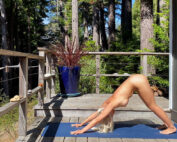
Benefits of Naked Yoga: Body Awareness, Confidence & Mindfulness
Explore the benefits of nude yoga, including body awareness, confidence, mindfulness, freedom of movement, sensuality, and relaxation.
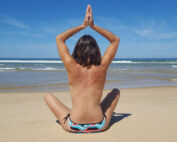
Nude Yoga for Beginners: How to Start Safely at Home
Learn how to start nude yoga at home with simple beginner poses, mindful movement, body awareness, confidence, and practical tips for your first practice.

Feel Good Naked: Confidence, Strength, Sexual Wellbeing & Vitality
Feel good naked through strength, energy, confidence, sexual wellbeing, physical comfort, self-respect, and a healthier connection with your body.
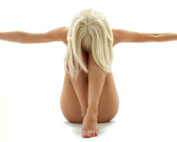
The Psychology of Naked Fitness: Confidence, Body Image & Wellness
Explore how naked fitness can support body image, confidence, mindfulness, sexuality, playfulness, and a more comfortable relationship with your body.

Naked Fitness at Home: Safe, Private & Beginner-Friendly
Learn how to practice naked fitness at home with confidence, privacy, mindful movement, and simple wellness routines you'll actually want to maintain.
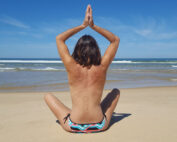
Naked Fitness for Beginners – How to Start Safely and Comfortably
Learn how to start naked fitness with confidence. Discover beginner tips for body awareness, mindfulness, movement, and self-acceptance.