
2026 GUIDE | UPDATED: 09/11/26
What Are the Benefits of Naked Fitness?
Discover how clothing-optional movement may support body confidence, physical awareness, sexual wellbeing, mindfulness, vitality, and a healthier relationship with exercise.
Most people do not wake up one morning and decide they need greater body awareness. They want to feel better. They want more energy, less stress, greater confidence, and a body that feels capable and fully involved in life.
Some people are trying to reconnect with themselves after years of putting work, family, or other responsibilities first. Others are navigating aging, pregnancy, burnout, changing relationships, physical discomfort, or the realization that they no longer feel entirely at home in their bodies.
Curiosity about naked fitness often begins with a practical question: What would it feel like to exercise without clothes? Once people begin practicing, their interests often expand. They start paying closer attention to how they move, how they breathe, where they hold tension, and how comfortable they feel with their bodies, their confidence, and their sexuality.
After years of working in wellness, I have found that these concerns are far more common than people admit. The benefits of naked fitness are not limited to the absence of clothing, and they cannot always be reduced to a list of physical outcomes. For many people, the value comes from developing a more attentive, enjoyable, and honest relationship with movement.
What would it feel like to stop managing your body and begin enjoying it?
Why People Are Drawn to Naked Fitness
People rarely begin naked fitness because they have decided to improve their posture or study their movement patterns. They are usually looking for something more personal. They want to feel comfortable in their bodies, regain energy, feel attractive, reduce stress, or stop approaching exercise as a punishment for how they look.
Some are interested in how fitness may influence confidence, intimacy, and sexual wellbeing. Others are tired of comparing themselves to edited images, carefully controlled camera angles, and fitness environments that seem to reward appearance more than health. There are also people who are simply curious and want to try something that feels unfamiliar, freeing, and a little outside the normal routine.
Naked fitness does not promise perfection or solve every physical or emotional concern. What it can provide is a different context for movement. Removing clothing may make the experience feel more direct, less performative, and more focused on physical sensation. For some people, that change in context creates enough interest and enjoyment to make movement feel new again.
Physical Benefits of Naked Fitness
The physical benefits of a naked workout primarily come from the movement being performed. Pilates can build control and stability, yoga can support mobility and balance, barre can develop muscular endurance, and strength or dance-based sessions can improve fitness and coordination. Practicing without clothing does not transform these exercises into entirely different activities, but it may change how closely someone observes and experiences them.
Greater Body Awareness
One of the most commonly described benefits of naked fitness is increased attention to the body. Without clothing covering the torso, hips, shoulders, and legs, people may find it easier to observe posture, alignment, breathing, muscle engagement, balance, and range of motion.
They may notice that one shoulder consistently moves differently from the other, that they brace through the abdomen when breathing, or that one hip feels less stable. These observations are not unique to naked exercise, but practicing without clothing can make some visual and physical signals easier to recognize.
Greater awareness does not automatically create better movement. It becomes valuable when it is combined with knowledgeable instruction, sensible exercise selection, and an ability to respond to what the body is communicating.
Greater Freedom and Physical Comfort
Workout clothing can be supportive and useful, but it can also affect comfort. Tight waistbands, straps, compression garments, seams, and fabric that shifts during movement can become distracting or restrictive. Some people find that exercising without these elements allows movement to feel more natural and less interrupted.
This is especially noticeable during stretching, floor work, dance, yoga, and exercises involving rotation or large ranges of motion. The feeling is subjective, and many people will still prefer clothing, but those who enjoy naked fitness often describe the freedom of movement as one of its most immediate benefits.
Mobility and Flexibility
Naked Fit Club classes draw from mobility work, stretching, Pilates, yoga, barre, dance, and fascia-focused techniques. These practices may support flexibility, joint range of motion, balance, coordination, and physical comfort when they are taught appropriately and practiced consistently.
Mobility becomes increasingly important as people age because it affects far more than exercise. It influences whether someone can reach, rotate, walk comfortably, travel, play with children, dance, get up from the floor, or continue participating in activities they enjoy.
Practicing naked is not what creates mobility. The benefit comes from performing effective movement regularly. The clothing-optional environment may simply make the practice more enjoyable, interesting, or physically informative for some people.
Posture and Movement Quality
Posture is often treated as a fixed position, but the body needs to move through many positions throughout the day. The more useful goal is awareness, adaptability, and the ability to support the body comfortably during sitting, standing, walking, lifting, and exercise.
Practicing without clothing may make it easier to see how the rib cage, pelvis, spine, shoulders, and hips relate to one another. This visual information can complement the internal sensations developed through breathing, balance, strength, and movement instruction.
Good movement quality also depends on appropriate sequencing and safety. A polished workout video is not necessarily a well-designed workout. Exercises should be selected for the person performing them, and instruction should account for experience, physical limitations, recovery, and the difference between productive effort and strain.
Greater Consistency
The most effective fitness practice is usually the one someone is willing to repeat. A technically perfect program has little value if it feels so dull, punishing, or disconnected from daily life that the person avoids doing it.
Naked fitness can make movement feel novel and engaging. Some people enjoy the sense of freedom, while others appreciate the privacy, body awareness, or playful quality of the experience. That enjoyment may make them more likely to return to the practice, and consistency is what allows strength, mobility, balance, endurance, and confidence to develop over time.
The benefit is not simply that a workout is effective. It is that the experience makes you want to do it again.
Mental and Emotional Benefits
Many people have spent years treating their bodies as problems to correct. Exercise becomes associated with guilt, comparison, food, weight, or the pressure to achieve a particular appearance. Naked fitness can provide a setting in which some of those habits become easier to notice and reconsider.
Greater Body Confidence
Modern fitness culture regularly suggests that confidence will arrive after the body changes. People are encouraged to reach a certain weight, build specific muscles, hide perceived flaws, and delay feeling attractive until they have achieved the right appearance.
After years of working with clients, I have found that confidence rarely develops in such an orderly way. People often become more consistent with movement once they begin caring for their bodies in the present. That shift can affect how they stand, dress, exercise, interact with others, and make decisions about their health.
Naked fitness gives people an opportunity to experience the body without carefully selected clothing or controlled presentation. This may initially increase self-consciousness, but familiarity can gradually reduce the emotional power of perceived imperfections. Confidence does not require someone to love every part of the body every day. It requires enough comfort and respect that appearance no longer controls participation in life.
Reduced Self-Consciousness
Many practitioners are surprised by how quickly the novelty of being naked fades once they begin moving. Their attention shifts toward breathing, balance, muscle engagement, rhythm, physical effort, and the instructions being given.
Over time, the body can begin to feel less like something being watched and more like something being used. That change may help reduce some of the self-consciousness people carry into gyms, relationships, photographs, changing rooms, or intimate situations.
The process is personal and should never be forced. Someone can begin partially clothed, avoid mirrors, select a short session, or stop if the experience does not feel supportive. Confidence built through choice is more meaningful than confidence demanded through pressure.
Self-Acceptance
Self-acceptance does not require pretending the body is perfect or abandoning goals related to strength, appearance, health, or performance. It means accepting that the body deserves care now, rather than after it has met a future condition.
This can be a significant change for people who have spent years using exercise as punishment. When movement becomes an act of attention and support, it becomes easier to make consistent decisions without relying on shame as motivation.
Stress Management
Many Naked Fit Club practices include breathing, stretching, mobility, meditation, restorative movement, and exercises performed at a deliberate pace. These tools may help people slow down, notice physical tension, and create a transition out of a demanding workday or stressful period.
Exercise can support stress management, but harder exercise is not always the answer. Some people need strength and intensity, while others need breathing, mobility, rest, or a practice that allows the nervous system to settle. An intelligent program should offer more than one way to respond to the body.
Mindfulness and Presence
Mindfulness involves paying attention to present experience without immediately judging it. Naked movement can naturally encourage this kind of awareness because physical sensations, temperature, breath, balance, and emotional reactions may become more noticeable.
For some people, the workout becomes a moving mindfulness practice. They learn to recognize tension before it becomes discomfort, fatigue before it becomes exhaustion, and self-criticism before it takes over the experience. This awareness can extend beyond exercise and influence how someone responds to stress, relationships, hunger, arousal, rest, and everyday physical needs.
Sexual Wellbeing and Relationships
Traditional fitness settings often discuss cardiovascular health, strength, weight, and longevity while avoiding conversations about sexual confidence, intimacy, attraction, pleasure, and desire. These subjects are part of health, and many people actively seek support for them even when they feel embarrassed to say so.
Naked fitness should be presented as respectful, consent-based wellness rather than sexual entertainment. That professional distinction does not require pretending that physical health, body confidence, and sexuality are unrelated.
Greater Comfort With Intimacy
People who feel disconnected from their bodies may also feel uncomfortable being seen, touched, or fully present during intimacy. Becoming more familiar with the body outside of a sexual situation may reduce some of that self-consciousness.
A naked workout can provide a private setting in which someone sees the body moving, changing position, breathing, sweating, balancing, and working. The body becomes familiar through experience rather than being viewed only through mirrors, photographs, or moments of intimacy.
This does not guarantee improved relationships or sexual function, but greater body familiarity and confidence may help some people feel more relaxed and present with themselves or a partner.
Feeling Attractive
There should be no shame in wanting to feel attractive. People regularly pursue fitness because they want to look better, feel desirable, or become more confident with a partner. Those motivations do not automatically make a wellness practice superficial.
The problem arises when appearance becomes the only measure of progress or when people believe they must achieve a specific body before they are allowed to experience attraction, pleasure, or confidence. Naked fitness can help broaden that definition by drawing attention to movement, energy, strength, posture, personality, sensuality, and physical presence.
Sexual Health, Energy, and Physical Confidence
Regular physical activity may support several factors associated with sexual wellbeing, including cardiovascular fitness, stamina, mobility, strength, stress management, energy, and body confidence. Core, hip, pelvic, and lower-body strength may also influence physical comfort and confidence during intimate activity.
Naked fitness is not a treatment for sexual dysfunction, low desire, pain, or relationship concerns. These issues may involve medical, hormonal, psychological, or relational factors and should be addressed with appropriate professionals when necessary.
Even with those limitations, the connection between movement and sexual wellbeing deserves honest discussion. People want to feel energetic, attractive, physically capable, creative, and connected. A fitness practice that supports those goals can contribute meaningfully to quality of life.
Confidence in Relationships
The confidence developed through movement rarely remains limited to the workout. People often carry themselves differently when they feel stronger, more comfortable, and more aware of their bodies. They may communicate more openly, become more willing to try new experiences, or feel less controlled by fears about appearance.
These changes are not guaranteed, and movement cannot resolve every relationship challenge. However, the way someone experiences the body influences how they participate in social, romantic, and sexual relationships. That connection deserves more attention than it usually receives in conventional fitness.
Sexual wellbeing is part of overall wellbeing. Wanting more confidence, pleasure, energy, and intimacy is a legitimate reason to care for your body.
The Benefits We Do Not Discuss Enough
Fitness is often presented as a process of optimization. People track repetitions, weight, calories, sleep, steps, heart rate, and progress photographs. These measurements can be useful, but they do not capture everything people value about feeling healthy.
Joy, creativity, curiosity, playfulness, desire, and presence are difficult to place on a dashboard. They are still meaningful parts of vitality, and they can influence whether someone feels engaged with life or simply moves through a series of obligations.
Rediscovering Enjoyment in Movement
Many adults have spent years forcing themselves through exercise they do not enjoy. They choose routines based on what burns the most calories, produces the fastest result, or appears most disciplined. It is difficult to maintain a lifelong practice when every session feels like a penalty.
Naked fitness can introduce surprise, humor, curiosity, and enjoyment into movement. A person may begin because the concept feels daring or unfamiliar, then continue because the workout leaves them energized and interested rather than defeated.
The classes people return to are usually the ones that create a positive experience. They may feel stronger afterward, but they may also feel relaxed, playful, attractive, amused, or more connected to themselves. Those emotional responses matter because they help turn movement into something people choose rather than something they endure.
A Forgotten Sense of Play
Many adults gradually stop playing. Movement becomes exercise, exercise becomes a task, and the task becomes another responsibility on an already crowded calendar.
Children move differently. They run, dance, climb, spin, jump, and laugh because the activity itself feels good. They are not analyzing calorie expenditure or whether the movement qualifies as a productive workout.
Practicing without clothing can bring some of that playfulness back. It feels unexpected and occasionally ridiculous, and that can be part of its value. People may laugh, experiment with movement, become less guarded, and remember that physical activity can be pleasurable without needing to justify itself through a measurable result.
Creativity and Expression
Movement and creativity are closely related for many people. Dance, breath, music, rhythm, and physical sensation can change mood, attention, and the willingness to experiment. A person who feels less self-conscious may also feel more expressive.
Naked fitness may create a private setting in which people can move without worrying about how the movement looks to anyone else. That freedom can support improvisation, curiosity, and a more personal relationship with music and physical expression.
Creativity should not be presented as a guaranteed physiological outcome of exercising naked. It is better understood as part of the broader experience of feeling less inhibited, more physically present, and more willing to explore.
Permission to Experience More of Yourself
Many people spend years presenting a controlled version of themselves. They manage how they dress, sit, speak, move, age, and appear to others. They may rarely experience the body without evaluating whether it is acceptable.
Naked fitness can provide a private space to loosen some of that control. Someone can move, sweat, laugh, breathe, feel attractive, feel awkward, and discover what it is like to participate without constantly editing the experience.
This is where the practice can feel spiritual or primal without requiring supernatural claims. Humans have moved, danced, swum, gathered, touched, and existed without modern fitness clothing for far longer than organized gyms have existed. Removing a familiar layer can make the experience feel direct and elemental.
The value comes from permission: permission to play, feel attractive, explore desire, move imperfectly, and experience the body as more than a problem to solve.
Being healthy should include feeling interested in your own life.
Modern Wellness Benefits
Naked Fit Club grew out of the approach developed at Maiden Lane Studios in San Francisco. We taught Pilates, yoga, barre, meditation, mobility, and other established practices, but we never treated one movement tradition as the answer for every body.
Those modalities were tools. The broader responsibility was to understand what a person needed and combine the most useful ideas from movement, anatomy, recovery, breathing, balance, strength, and wellness.
Intelligent Movement for the Modern Body
The modern body may spend long hours sitting, work under constant stress, repeat the same movement patterns, sleep poorly, recover from injuries, navigate pregnancy or aging, and still be expected to perform throughout the day.
A useful fitness practice should respond to those realities. It may include strength, mobility, balance, breath, posture, coordination, recovery, and awareness of how the nervous system influences physical tension and effort.
Naked Fit Club classes draw from multiple disciplines because bodies do not organize themselves according to the names of fitness modalities. A Pilates session may include mobility or fascia-focused techniques. A barre class may combine balance, functional strength, coordination, and recovery. A yoga sequence may be adapted around the needs of someone who spends most of the day at a desk.
Nervous-System Awareness
Stress can influence breathing, sleep, digestion, posture, recovery, muscle tension, energy, and the way a person responds to exercise. A demanding workout may be useful on one day and counterproductive on another.
Breathing exercises, meditation, slow movement, grounding practices, and restorative work may help some people relax and become more aware of their physical responses to stress. These practices should not be presented as guaranteed nervous-system treatment, but they can become useful tools for noticing and managing stress.
Fascia, Mobility, and Recovery
Fascia is connective tissue involved in supporting and linking structures throughout the body. Mobility work, stretching, self-myofascial techniques, and varied movement may help support flexibility, range of motion, and perceived recovery for some people.
Claims about releasing toxins, permanently reshaping fascia, or curing pain should be treated cautiously. The more credible benefit is that thoughtfully selected movement can help people explore stiffness, improve physical awareness, and develop a broader range of movement options.
Longevity and Vitality
Most people do not exercise only because they want to add years to their lives. They want those years to include travel, relationships, sex, dancing, hiking, creativity, independence, and the ability to participate fully.
Strength, balance, mobility, cardiovascular health, and recovery all contribute to long-term function. Enjoyment also matters because people are more likely to sustain practices they find rewarding.
Longevity is valuable, but it becomes more meaningful when it includes vitality. The goal is not merely to remain alive. It is to remain involved.
Who May Benefit From Naked Fitness?
Naked fitness can be adapted for adults with many different bodies, backgrounds, interests, and levels of experience. Someone does not need to be young, thin, muscular, flexible, sexually confident, or highly trained to explore the practice.
It may be especially appealing to people who are:
- Curious about clothing-optional movement
- Returning to exercise after a break
- Interested in improving body confidence
- Looking for a more enjoyable relationship with fitness
- Exploring mindfulness, breathwork, or embodied movement
- Interested in sexual wellbeing, intimacy, and vitality
- Navigating pregnancy, menopause, aging, or other physical changes
- Trying to reduce appearance-related self-consciousness
- Seeking greater mobility, balance, strength, or physical awareness
- Looking for movement that feels personal rather than performative
The practice will not appeal to everyone, and it does not need to. People should be free to choose the amount of clothing, privacy, and participation that feels appropriate. Curiosity is enough to begin, but no one should feel pressured to cross a personal boundary.
A Founder’s Perspective
After spending years working with clients, I came to understand that very few people were simply looking for another fitness program. They wanted a way to feel better in their bodies and more involved in their lives.
They wanted strength, energy, mobility, confidence, less discomfort, less stress, and more freedom to participate in relationships, work, travel, creativity, and intimacy. Many also wanted permission to feel attractive, playful, sexual, and alive without apologizing for it.
Naked Fit Club exists because those goals deserve to be discussed openly. The lack of clothing may be what first attracts attention, but the quality of the movement, the enjoyment of the experience, and the changes people feel in their lives are what give the practice lasting value.
Jean V
Founder, Naked Fit Club and Maiden Lane Studios
The Real Benefits of Naked Fitness
Some benefits of naked fitness are physical and relatively easy to recognize. People may become stronger, more mobile, more coordinated, or more aware of posture and breathing. Other benefits are emotional and develop gradually through familiarity, consistent movement, and a less judgmental relationship with the body.
There are also benefits that are harder to measure. Someone may laugh more during a workout, feel attractive for the first time in months, become more comfortable with a partner, or find themselves thinking about a class later because the experience felt enjoyable and different.
These outcomes will not appear on every fitness tracker, and they should not be promised as guaranteed results. They still matter. A wellness practice should support the physical body, but it should also leave room for enjoyment, desire, creativity, connection, and the parts of health that make life feel worth participating in.
The greatest benefit of naked fitness may be that it reminds people how much more their bodies are capable of providing. A body can work, adapt, recover, feel pleasure, express emotion, create, connect, and play. Exercise becomes more meaningful when it supports that full range of experience.
Being alive should feel like something, and taking care of the body should help us feel more of it.
Continue Exploring
Explore Naked Fit Club
Naked Fit Club offers Pilates, yoga, barre, dance-inspired movement, mobility, stretching, breathwork, meditation, and holistic wellness programs designed for the modern body. Explore classes that support strength, confidence, physical awareness, sexual wellbeing, relaxation, creativity, and long-term health.
Frequently Asked Questions About the Benefits of Naked Fitness
What are the main benefits of naked fitness?
The potential benefits of naked fitness include greater body awareness, increased comfort with the body, reduced self-consciousness, freedom from restrictive clothing, a more mindful exercise experience, and greater enjoyment of movement. The physical benefits, such as improved strength, mobility, balance, flexibility, and endurance, come primarily from the exercises being performed.
Is naked fitness good for you?
Naked fitness can be part of a healthy movement practice when the exercises are appropriate, the instruction is responsible, and privacy and hygiene are respected. Exercising without clothing does not automatically make a workout more effective, but some people find that it makes movement feel more comfortable, engaging, or personally meaningful.
Is exercising naked healthier than exercising in clothes?
Neither approach is universally healthier. The quality of the workout, exercise selection, instruction, consistency, recovery, and suitability for the participant matter more than whether clothing is worn. Naked exercise may offer additional benefits related to comfort, body familiarity, playfulness, and personal awareness for people who enjoy it.
Does naked fitness improve body confidence?
Some people find that regularly seeing and experiencing their bodies without carefully selected clothing helps reduce self-consciousness and increase familiarity. Body confidence usually develops gradually through movement, improved physical capability, self-observation, and a willingness to participate without waiting for the body to look perfect.
Can naked fitness help with body image?
Naked fitness may help some people develop a less critical relationship with their appearance by shifting attention toward movement, strength, breathing, balance, and physical sensation. It is not a substitute for professional support when body-image concerns are severe or interfere with eating, relationships, mental health, or daily life.
Can exercising naked reduce self-consciousness?
Repeated private practice may make nudity feel less unfamiliar and reduce some of the anxiety attached to perceived physical flaws. Many people find that once movement begins, their attention moves away from appearance and toward coordination, effort, breathing, and the experience of the workout.
Does naked fitness improve body awareness?
Practicing without clothing may make posture, muscle engagement, alignment, skin sensation, and movement patterns easier to observe. Greater body awareness still depends on paying attention, receiving useful instruction, and learning how to interpret physical signals rather than simply removing clothing.
Can naked fitness improve posture?
The absence of clothing may make postural habits easier to see, but posture improves through appropriate strength, mobility, balance, breathing, and movement practice. Naked fitness can support this process when classes include thoughtful instruction and exercises suited to the participant’s needs.
Does exercising naked increase flexibility?
Removing clothing does not directly increase flexibility. Stretching, yoga, Pilates, mobility work, dance, and other consistent movement practices may improve flexibility and range of motion over time. Some people find these activities more comfortable without tight waistbands, seams, or restrictive fabrics.
Does naked fitness provide greater freedom of movement?
Some people experience greater physical comfort when they exercise without straps, compression garments, waistbands, or fabric that shifts during movement. This can be particularly noticeable during stretching, floor work, dance, yoga, Pilates, and exercises involving rotation or larger ranges of motion.
Can naked fitness help with stress?
A naked fitness practice may support stress management when it includes regular physical activity, breathing, stretching, meditation, mindfulness, or restorative movement. The benefit comes mainly from those practices, although privacy, physical freedom, and enjoyment may make the experience feel especially relaxing for some people.
Can naked fitness help regulate the nervous system?
Breathing exercises, meditation, slow movement, and restorative practices may help some people relax and become more aware of their responses to stress. The phrase “nervous-system regulation” should not be treated as a guaranteed result, a diagnosis, or a replacement for medical or mental-health care.
Can naked fitness improve mindfulness?
Naked movement can encourage attention to breathing, balance, temperature, physical sensation, posture, and emotional reactions. For some people, this makes the workout feel like a mindfulness practice as well as a fitness session. Mindfulness develops through the quality of attention rather than nudity alone.
Can naked fitness improve sexual wellbeing?
Naked fitness may support factors related to sexual wellbeing, including general fitness, energy, mobility, physical comfort, stress management, body confidence, and comfort with intimacy. It should not be presented as a medical treatment for sexual dysfunction, pain, hormonal concerns, or relationship problems.
Can exercise improve sexual performance?
Regular exercise may support stamina, cardiovascular health, strength, mobility, confidence, and stress management, all of which can influence sexual experiences. Results vary, and no individual exercise program can guarantee improved sexual performance.
Can naked fitness increase libido?
There is not enough evidence to claim that exercising naked directly increases libido. Movement, improved sleep, lower stress, greater energy, and increased comfort with the body may positively influence desire for some people, but libido is also affected by medical, hormonal, psychological, medication-related, and relationship factors.
Can naked fitness improve intimacy?
Becoming more familiar with the body outside of a sexual situation may help some people feel less self-conscious and more physically present during intimacy. Naked fitness cannot resolve every intimacy or relationship concern, but greater body confidence and comfort may support more open and relaxed experiences.
Is wanting to feel more attractive a valid reason to exercise?
Yes. Wanting to feel attractive, confident, desirable, or more comfortable with a partner is a legitimate reason to care for the body. Appearance-related goals become less supportive when they are driven entirely by shame, impossible standards, or the belief that someone must earn the right to enjoy life.
Can naked fitness make exercise more enjoyable?
Many people find the experience novel, freeing, playful, and less routine than a conventional workout. Enjoyment matters because people are generally more likely to repeat movement they look forward to. Consistency is what allows most fitness benefits to develop over time.
Why can naked fitness feel playful?
Exercising without clothing can feel unexpected and mildly rebellious, particularly for adults whose movement has become highly structured or goal-oriented. That change in context may make it easier to laugh, experiment, dance, move less self-consciously, and remember that physical activity can be enjoyable without needing to justify every minute through calories or performance.
Can naked fitness support creativity?
Naked fitness has not been established as a direct method for increasing creativity. However, movement, music, dance, play, reduced inhibition, and greater physical presence may help some people feel more expressive and willing to experiment. The experience is personal and should not be presented as a guaranteed outcome.
What does naked fitness have to do with vitality?
Vitality includes more than strength or the absence of illness. People often use the word to describe energy, curiosity, desire, resilience, playfulness, creativity, and an active interest in life. Naked fitness may contribute to this broader experience when it combines effective movement with enjoyment, confidence, and personal expression.
Can naked fitness help people feel more comfortable aging?
Naked fitness may help some adults become more familiar with the natural changes that occur through age, pregnancy, menopause, illness, or changes in weight. Strength, balance, mobility, cardiovascular activity, and recovery practices can also support long-term function, although classes should be adapted to the participant’s current health and experience.
Is naked fitness good for adults over 40 or 50?
Adults over 40 or 50 may benefit from appropriately designed strength, mobility, balance, flexibility, cardiovascular, and mindfulness practices. The most suitable workout depends on health history, current ability, injuries, medications, and individual goals rather than age alone.
Can pregnant people practice naked fitness?
Some pregnant people may continue appropriately modified exercise when their healthcare provider considers it safe. Pregnancy changes balance, temperature regulation, joint stability, energy, and exercise tolerance, so participants should follow professional medical guidance and use qualified prenatal instruction.
Does naked fitness support longevity?
The longevity benefits come from regular physical activity, strength, balance, mobility, cardiovascular health, sleep, and other health behaviors rather than from nudity itself. Naked fitness may support consistency when the practice feels enjoyable and personally meaningful, which can make long-term participation easier.
Can naked fitness support fascia and recovery?
Some Naked Fit Club classes include stretching, mobility work, varied movement, and self-myofascial techniques that may support range of motion, physical comfort, and perceived recovery. Claims that exercise releases toxins, permanently reshapes fascia, or cures pain should be treated cautiously.
Does naked fitness support the lymphatic system?
Muscular movement helps support normal circulation and lymph flow whether a person is clothed or naked. Naked fitness should not be promoted as lymphatic treatment, and persistent swelling or a diagnosed lymphatic condition should be managed with guidance from an appropriate healthcare professional.
Can naked fitness replace therapy or medical care?
No. Naked fitness can be part of a broader wellness practice, but it cannot diagnose or treat medical conditions, sexual dysfunction, significant anxiety, depression, trauma, eating disorders, or severe body-image concerns. Qualified health professionals should be consulted when symptoms are persistent, severe, or disruptive.
Who may benefit most from naked fitness?
Naked fitness may appeal to adults who are curious about clothing-optional movement, returning to exercise, improving body confidence, exploring sexual wellbeing, navigating physical changes, or looking for a more enjoyable and mindful relationship with fitness. It can be adapted for many bodies and experience levels when the instruction is appropriate.
Do I need to be confident before trying naked fitness?
No. Many people begin because they are not yet comfortable with their bodies and want a private way to explore that discomfort. You can start partially clothed, choose a short session, avoid mirrors, and decide gradually what level of clothing and participation feels supportive.
Do I have to be fully naked to experience the benefits?
No. Clothing-optional fitness should allow people to choose their own comfort level. Someone may begin in underwear, remove only one layer, or remain clothed while becoming familiar with the class. The value comes from movement, attention, autonomy, and consistency rather than proving a willingness to be fully nude.
What makes Naked Fit Club’s approach different?
Naked Fit Club combines clothing-optional movement with the integrated fitness approach developed at Maiden Lane Studios in San Francisco. Classes draw from Pilates, yoga, barre, dance, mobility, functional strength, fascia-focused techniques, breathwork, mindfulness, and recovery rather than relying on one rigid movement system.
Where can I explore naked fitness classes?
Naked Fit Club offers an online library of Pilates, yoga, barre, dance-inspired movement, mobility, stretching, meditation, breathwork, and holistic wellness programs at nakedfitclub.vhx.tv.
RECENT NAKED FITNESS ARTICLES
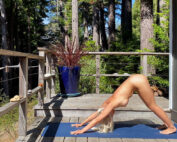
Benefits of Naked Yoga: Body Awareness, Confidence & Mindfulness
Explore the benefits of nude yoga, including body awareness, confidence, mindfulness, freedom of movement, sensuality, and relaxation.
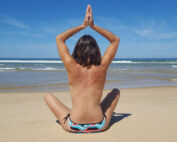
Nude Yoga for Beginners: How to Start Safely at Home
Learn how to start nude yoga at home with simple beginner poses, mindful movement, body awareness, confidence, and practical tips for your first practice.

Feel Good Naked: Confidence, Strength, Sexual Wellbeing & Vitality
Feel good naked through strength, energy, confidence, sexual wellbeing, physical comfort, self-respect, and a healthier connection with your body.
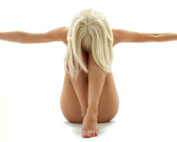
The Psychology of Naked Fitness: Confidence, Body Image & Wellness
Explore how naked fitness can support body image, confidence, mindfulness, sexuality, playfulness, and a more comfortable relationship with your body.

Naked Fitness at Home: Safe, Private & Beginner-Friendly
Learn how to practice naked fitness at home with confidence, privacy, mindful movement, and simple wellness routines you'll actually want to maintain.
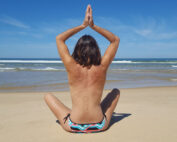
Naked Fitness for Beginners – How to Start Safely and Comfortably
Learn how to start naked fitness with confidence. Discover beginner tips for body awareness, mindfulness, movement, and self-acceptance.