
2026 GUIDE | UPDATED: 09/11/26
Beginner’s Guide to Naked Fitness
A practical introduction to naked fitness, including what to expect, how to begin at home, how to manage self-consciousness, and how to choose movement that feels safe, useful, and enjoyable.
I have spent most of my career helping people move better and feel more comfortable in their bodies. During my years operating Maiden Lane Studios in San Francisco, I worked with athletes, executives, parents, pregnant clients, people returning from injuries, and many others who felt uncertain about exercise or disconnected from their physical selves.
One thing became clear very early: almost everyone feels self-conscious at some point. People worry that they are too old, too inflexible, too inexperienced, too out of shape, or simply too uncomfortable with their appearance to begin. Naked fitness can bring those concerns to the surface quickly, but it can also provide a private and supportive way to work through them.
Most beginners do not start because they already feel confident. They start because they are curious about what it might feel like to move with fewer barriers, pay closer attention to their bodies, and develop a more honest relationship with exercise.
This guide explains how to begin without rushing, performing, or forcing yourself into an experience you are not ready for. The goal is to help you make informed choices and find a version of naked fitness that feels comfortable, safe, and personally worthwhile.
You do not need confidence before you begin. Confidence often develops because you began.
On This Page
- Who This Guide Is For
- What Is Naked Fitness for Beginners?
- Why People Try Naked Fitness
- Do You Need a Certain Body Type?
- What Surprises Most Beginners
- How to Start Naked Fitness at Home
- Planning Your First Naked Workout
- Your First Week of Naked Fitness
- What to Do If You Feel Self-Conscious
- Choosing Intelligent, Safe Movement
- Naked Fitness, Confidence, and Sexual Wellbeing
- Should Beginners Join a Class or Community?
- Common Beginner Mistakes
- Benefits Beginners May Notice
- Jean V’s Advice for Beginners
- Frequently Asked Questions
Who This Guide Is For
This guide is for anyone who is curious about naked fitness but unsure whether it is appropriate for them. You may be interested in clothing-optional yoga, Pilates, barre, mobility, dance, stretching, meditation, breathwork, or simply moving privately without clothes for the first time.
You may also be asking questions that feel awkward to say out loud:
- Am I too old or too out of shape?
- Do I need to have a certain body?
- Will I feel ridiculous or embarrassed?
- Is naked fitness sexual?
- Do I have to be fully nude?
- Can I practice privately at home?
- What kind of exercise should I start with?
- How do I know whether an online class is safe and professional?
These are reasonable questions. Naked fitness is unfamiliar to many people, and curiosity often comes with uncertainty. A responsible introduction should make room for both.
What Is Naked Fitness for Beginners?
Naked fitness for beginners means exploring movement without clothing, or with less clothing than usual, in a private and respectful setting. The practice can include gentle stretching, yoga, Pilates, mobility work, strength training, barre, dance, breathing exercises, meditation, or other forms of intentional movement.
You do not need to join a group, complete a difficult workout, or remove every piece of clothing during your first session. Many people begin alone at home, choose a familiar activity, and keep part of their clothing on until the experience feels less unfamiliar.
The beginner experience should focus on comfort, awareness, and autonomy. The amount of clothing you remove, the type of movement you choose, and the length of the session are entirely personal decisions.
A well-designed naked fitness practice should also be good fitness. The absence of clothing does not excuse poor instruction, unsafe sequencing, exaggerated claims, or exercises that do not suit the person performing them. At Naked Fit Club, clothing-optional movement is combined with the integrated approach developed at Maiden Lane Studios, drawing from Pilates, yoga, barre, mobility, fascia-focused techniques, strength, balance, breathwork, meditation, and recovery.
Why People Try Naked Fitness
Some people begin because they are curious about exercising without clothes. Others are interested in body confidence, mindfulness, freedom of movement, stress relief, intimacy, sexual wellbeing, or a more enjoyable relationship with fitness.
Many people have spent years trying to change their bodies before allowing themselves to feel comfortable in them. They may avoid mirrors, photographs, gyms, changing rooms, or intimate situations. Naked movement offers a private opportunity to become more familiar with the body as it is today rather than waiting for a future version to appear.
Other beginners are looking for a fitness experience that feels less performative. They are tired of workouts built around punishment, comparison, calories, or appearance. They want movement that supports strength and health while also leaving room for enjoyment, playfulness, confidence, and the broader experience of feeling alive.
Common reasons people begin include:
- Developing greater body confidence
- Reducing appearance-related self-consciousness
- Improving mobility, posture, balance, or strength
- Feeling less restricted during movement
- Practicing mindfulness and physical awareness
- Creating a more enjoyable exercise routine
- Becoming more comfortable with intimacy
- Exploring confidence, desire, or sexual wellbeing
- Finding a private way to reconnect with the body
- Trying something playful, creative, or outside the usual routine
Do You Need a Certain Body Type?
No particular body type is required. Naked fitness is not reserved for people who are young, thin, muscular, flexible, athletic, or already comfortable being seen without clothes.
Many people assume they must improve their appearance before trying clothing-optional movement. That belief can become another reason to postpone feeling comfortable, active, attractive, or fully involved in life.
The body you have today is capable of participating at an appropriate level. A beginner can practice seated mobility, breathing, stretching, meditation, gentle Pilates, slow yoga, standing balance, dance, or strength exercises adapted to current needs.
Fitness experience matters when selecting exercises, but appearance does not determine eligibility. The important questions involve safety, comfort, health history, and whether the movement is suitable for the person performing it.
You do not need to change your body before you begin learning how to live more comfortably in it.
What Surprises Most Beginners
Beginners often expect the nudity to remain the central focus throughout the workout. In practice, attention usually shifts quickly once movement begins. Breathing, balance, coordination, muscle engagement, physical effort, and following the instructor become more immediate concerns.
Several aspects of the experience commonly surprise people:
The Nudity Often Becomes Less Important
The first few minutes may feel unusual, but the body quickly becomes involved in the activity. Someone who begins by worrying about appearance may soon be thinking about posture, a tight hip, an unstable leg, or whether they can remember the next movement.
The Workout Can Be More Challenging Than Expected
Clothing-optional fitness is still fitness. Pilates, barre, strength work, yoga, mobility, and dance can require concentration, muscular effort, balance, endurance, and coordination. The visual presentation may feel freeing or sensual, but that does not make the movement effortless.
Confidence Usually Develops After Starting
People often wait to feel ready before trying something unfamiliar. In reality, readiness may only arrive after a few sessions. Familiarity reduces some of the emotional charge, and confidence develops through repetition rather than through a sudden change in mindset.
The Experience Can Be Fun
Naked movement can feel playful, surprising, and mildly rebellious. Some people laugh during their first session or feel a level of freedom they had not expected. Enjoyment matters because people are more likely to repeat movement they look forward to.
People Become Interested in Better Movement
Curiosity about nudity may bring someone to the practice, but many beginners become more interested in how their bodies function. They start noticing mobility, breathing, balance, strength, stress, recovery, and patterns that affect daily comfort.
How to Start Naked Fitness at Home
A private home environment is usually the easiest place to begin. It gives you control over the room, temperature, lighting, clothing, mirrors, camera settings, and length of the session.
Choose a time when you are unlikely to be interrupted. Close curtains or blinds, silence notifications, and confirm that any cameras or connected devices are turned off unless you intentionally need them for a trusted class.
Prepare a clean exercise surface. A mat, personal towel, water, and enough room to move safely are sufficient for many beginner sessions. Depending on the class, you may also use a stable chair, yoga blocks, resistance bands, light weights, a roller, or a Pilates circle.
The room should be warm enough for comfort but not so hot that exercise becomes unsafe. Clothing normally helps regulate temperature and absorbs sweat, so keep a towel nearby and pay attention to overheating or feeling chilled.
Begin with movement you already understand. Your first naked workout is not the ideal time to attempt unfamiliar inversions, difficult balance exercises, advanced strength work, or fast choreography.
Good Beginner Activities
- Five to ten minutes of gentle stretching
- A short mobility routine
- Beginner Pilates mat exercises
- A slow yoga flow
- Standing balance exercises near a stable support
- Simple barre movements using a chair
- Breathing exercises or meditation
- Free movement or dance to familiar music
- Light functional strength exercises
Planning Your First Naked Workout
Your first session does not need to be long or intense. Ten to fifteen minutes is enough to learn how the experience feels and notice any practical adjustments you want to make next time.
A simple first workout might include:
1. Arrive and Breathe
Spend one or two minutes standing or sitting comfortably. Notice the room temperature, your breathing, and any immediate emotional reaction. There is no need to force relaxation or confidence. Simply observe what is present.
2. Begin With Familiar Mobility
Move the shoulders, spine, hips, ankles, and wrists gently. Use slow ranges of motion and notice whether one side feels different from the other. Avoid bouncing, forcing a stretch, or pushing through pain.
3. Add Simple Strength or Balance
Choose a few basic movements, such as supported squats, heel raises, bridges, bird dogs, wall push-ups, or standing balance. Keep the volume manageable and focus on control.
4. Include a Movement You Enjoy
Play music, dance, practice a favorite yoga pose, or repeat a Pilates or barre sequence you already know. Enjoyment is a legitimate part of the session rather than a distraction from serious fitness.
5. Finish Slowly
End with gentle breathing, stretching, or a short rest. Notice how your body feels physically and emotionally compared with the beginning. You do not need to assign meaning to every reaction; simply gather information.
Your first workout should leave you curious about trying another one, not relieved that you survived it.
Your First Week of Naked Fitness
A simple first-week plan can help reduce the pressure to decide what to do each day. The schedule below is only a starting point and should be adjusted for health, experience, energy, and recovery.
Day 1: Breathing and Gentle Stretching
Spend ten minutes becoming familiar with the environment. Practice slow breathing and a few comfortable stretches for the shoulders, spine, hips, and legs.
Day 2: Beginner Mobility
Choose a short mobility session focused on the areas most affected by daily life, such as the neck, shoulders, spine, hips, ankles, or feet.
Day 3: Pilates or Functional Strength
Try a beginner session focused on core stability, glutes, posture, balance, and controlled movement. Stop before fatigue causes technique to break down.
Day 4: Rest or Mindfulness
Rest completely or choose a short meditation, breathwork session, or gentle walk. Recovery is part of the practice rather than evidence that you are doing less.
Day 5: Yoga, Barre, or Dance
Choose a style that feels enjoyable. This is a good opportunity to notice whether movement feels different without clothing and whether playfulness or music changes the experience.
Weekend: Repeat What Felt Best
Return to the session you enjoyed most or combine ten minutes of mobility with ten minutes of another practice. Consider what you want from the next week, such as greater consistency, more strength, better mobility, less stress, or simply more enjoyment.
What to Do If You Feel Self-Conscious
Self-consciousness is normal, especially during the first few sessions. Most people have spent years seeing naked bodies presented through advertising, entertainment, pornography, medical settings, or moments of intimacy. Seeing your own body in an ordinary fitness context may feel unfamiliar.
You can reduce the pressure by beginning gradually. Wear underwear, remove only one layer, dim the lighting, turn away from mirrors, or begin with a seated breathing practice. The experience does not become more meaningful because you force yourself to be fully nude before you are comfortable.
It can also help to give your attention a clear task. Follow an instructor, count repetitions, coordinate breathing, notice balance, or focus on a particular area of mobility. When attention has a practical purpose, appearance often becomes less dominant.
Avoid evaluating the entire experience after one session. The first workout may feel awkward simply because it is new. A few short practices usually provide more useful information than one long attempt.
Things Beginners Should Know
- You do not need to feel confident before starting.
- You do not need to lose weight first.
- You do not need to be fully naked.
- You do not need to tell anyone you are practicing.
- You do not need to explain why you are curious.
- You may stop or put clothing back on at any time.
- You are allowed to enjoy the experience.
Choosing Intelligent, Safe Movement
Naked Fit Club grew out of the movement philosophy developed at Maiden Lane Studios in San Francisco. Pilates, yoga, barre, meditation, mobility, dance, and fascia-focused techniques were all useful tools, but no single modality was treated as the complete answer for every body.
Modern bodies face a particular combination of demands. People sit for long periods, repeat the same movements, carry stress, sleep poorly, recover from injuries, navigate pregnancy or aging, and still expect themselves to perform physically and professionally.
A responsible program should respond to those realities by combining appropriate strength, mobility, balance, coordination, breath, recovery, and nervous-system awareness. It should also provide modifications and explain enough about the movement for a beginner to make sensible decisions.
When choosing a class, look for:
- Clear instructions and demonstrations
- A stated experience level
- Modifications for common limitations
- Thoughtful sequencing and pacing
- Realistic claims about benefits
- Attention to alignment and physical comfort
- Instructor qualifications or relevant experience
- Advice about when to stop or seek professional guidance
Be cautious of content that relies mainly on provocative imagery while providing little useful instruction. A revealing workout can still be intelligently designed, but nudity should not be used to disguise poor fitness programming.
Basic Safety and Hygiene
Naked fitness can be practiced safely when the environment and exercises are appropriate. The same general exercise principles remain important whether someone is clothed or unclothed.
- Use a clean personal mat or towel.
- Clean shared equipment before and after use.
- Choose movements appropriate for your current ability.
- Stop if you experience sharp pain, dizziness, numbness, or unusual discomfort.
- Keep the room at a comfortable temperature.
- Drink water and allow time for recovery.
- Avoid unstable furniture or slippery surfaces.
- Protect privacy around windows, cameras, and connected devices.
- Seek appropriate medical advice when exercising with an injury, pregnancy, medical condition, or persistent symptom.
People beginning after a long period of inactivity should progress gradually. A short, manageable session repeated consistently is generally more useful than an intense first workout that creates pain, fear, or excessive fatigue.
Naked Fitness, Confidence, and Sexual Wellbeing
Some beginners are interested in naked fitness because they want to feel more attractive, improve comfort with intimacy, reconnect with desire, or become less self-conscious around a partner. These are legitimate wellness goals and do not need to be disguised as something else.
A professionally presented naked fitness practice should remain respectful, consent-based, and focused on movement. At the same time, physical health, body confidence, intimacy, and sexuality influence one another. People who feel stronger, more energetic, more mobile, and more comfortable in their bodies may experience positive changes in how they approach relationships and sexual experiences.
Naked fitness is not a treatment for sexual dysfunction, pain, hormonal concerns, trauma, or relationship problems. These concerns may require medical, psychological, pelvic-health, or relationship support. Exercise may still contribute to general fitness, stamina, stress management, physical comfort, confidence, and body familiarity.
Beginners should also understand that naked fitness does not need to become sexual during the workout. Practicing in a nonsexual setting can help some people become more familiar with their bodies without the pressure of performance, attraction, or another person’s attention.
Should Beginners Join a Class or Community?
Many beginners are happiest practicing privately at home. Others eventually want instruction, accountability, conversation, or the experience of being part of a clothing-optional wellness community.
There is no requirement to join a group. Private practice can be complete and meaningful on its own. Anyone considering a live or online community should evaluate the provider carefully.
A trustworthy environment should provide:
- Clear privacy and recording policies
- Explicit consent standards
- Professional instruction
- Rules against harassment or sexual behavior
- Information about camera requirements
- Options for remaining partially clothed
- Transparent pricing and cancellation policies
- A clear method for reporting concerns
- Respect for different bodies, ages, backgrounds, and experience levels
Never assume that a private social-media group, video chat, or online event protects participant privacy. Review the platform settings and provider policies before appearing on camera without clothing.
Common Beginner Mistakes
Most beginner mistakes come from treating the experience as a test rather than an exploration. People may push themselves to remove more clothing, complete a harder workout, or feel confident faster than is realistic.
Trying to Progress Too Quickly
Beginning with a difficult or unfamiliar routine can make the experience feel unsafe. Start with movement you understand and add complexity gradually.
Focusing Only on Appearance
It is normal to notice appearance, especially at first. Try to broaden your attention to breathing, balance, strength, mobility, comfort, and emotional responses.
Expecting an Immediate Transformation
One session may be interesting or liberating, but confidence and physical results develop through repeated experience. Avoid treating the first workout as a final verdict.
Ignoring Privacy
Check windows, cameras, cloud-connected devices, video settings, and household schedules before beginning. Privacy should be planned rather than assumed.
Using Nudity to Override Physical Limits
The excitement of a new experience can make people overlook fatigue, pain, or poor technique. Exercise selection and safety remain more important than the novelty of practicing naked.
Choosing Content With No Real Instruction
Some videos are teasers, demonstrations, or entertainment rather than complete classes. Beginners should distinguish between content designed to inspire curiosity and content designed to guide a safe workout.
Benefits Beginners May Notice
Experiences vary, and no particular benefit should be guaranteed. Some beginners notice immediate practical changes, while others find that the most meaningful changes develop after several weeks of regular practice.
Potential benefits may include:
- Greater familiarity with the body
- Reduced appearance-related self-consciousness
- More awareness of posture, breathing, and movement
- Greater comfort during stretching or floor work
- Improved mobility, balance, strength, or flexibility from regular exercise
- A more enjoyable relationship with movement
- Greater confidence with intimacy
- More playfulness and creativity
- Better awareness of stress and physical tension
- Greater consistency with fitness
The physical benefits come mainly from the quality and consistency of the exercise. Practicing without clothing may influence comfort, enjoyment, attention, body familiarity, and the emotional experience surrounding movement.
Jean V’s Advice for Beginners
After years of working with people, I learned that confidence usually follows participation. The clients who became comfortable, strong, and consistent did not wait until every insecurity disappeared. They began at an appropriate level and allowed familiarity to develop over time.
Your first session should be simple. Choose movement you understand, protect your privacy, keep some clothing on if that feels better, and stop before you become exhausted. Pay attention to what feels useful, enjoyable, awkward, or surprising, and use that information when choosing the next practice.
Naked fitness should not become another standard you have to meet. It should give you more freedom to explore movement, confidence, vitality, pleasure, and the experience of living in your body.
Jean V
Founder, Naked Fit Club and Maiden Lane Studios
Your First Step Into Naked Fitness
You do not need special equipment, a perfect body, or complete confidence. You need a private space, a manageable form of movement, and enough curiosity to see how the experience feels.
Begin with five or ten minutes. Stretch, breathe, practice a few familiar exercises, or move to music. Wear as much or as little as feels appropriate. The first goal is not to prove that you can exercise naked; it is to create an experience you may genuinely want to repeat.
As comfort develops, you can explore longer Pilates, yoga, barre, dance, mobility, strength, breathwork, meditation, and wellness practices. You may also discover that the quality of the workout matters even more than the absence of clothing.
Explore Naked Fit Club Classes
Frequently Asked Questions About Naked Fitness for Beginners
What is naked fitness for beginners?
Naked fitness for beginners is the practice of exploring exercise without clothing, or with less clothing than usual, in a private, respectful, and wellness-focused setting. It may include stretching, yoga, Pilates, barre, mobility, dance, strength work, breathwork, or meditation.
How do I start naked fitness?
Begin privately at home with a short and familiar activity. Prepare a clean mat or towel, adjust the room temperature, protect your privacy, and choose five to fifteen minutes of gentle stretching, mobility, breathing, Pilates, yoga, or simple strength work.
Do I need to be fully nude?
No. You can begin in underwear, remove one layer, or remain clothed while becoming familiar with the practice. Clothing-optional fitness should allow you to choose your own level of coverage without pressure.
Do I need a certain body type?
No. Naked fitness is not limited to people who are thin, young, muscular, flexible, athletic, or already confident. Movement should be selected according to ability, health, experience, and comfort rather than appearance.
Is naked fitness sexual?
A professionally presented naked fitness practice should be focused on movement, health, mindfulness, consent, and personal wellbeing rather than sexual entertainment. The practice may still support body confidence, intimacy, and sexual wellbeing because those areas are connected to overall health.
Why do people try naked fitness?
People begin for many reasons, including curiosity, body confidence, mindfulness, freedom of movement, stress management, physical fitness, greater comfort with intimacy, playfulness, and a desire for a more enjoyable relationship with exercise.
Can I practice naked fitness at home?
Yes. Home is often the easiest place for beginners because it provides control over privacy, temperature, lighting, mirrors, clothing, and the length of the session.
What exercises are best for beginners?
Beginner-friendly options include gentle stretching, basic mobility, slow yoga, Pilates fundamentals, supported barre movements, breathwork, meditation, balance exercises, walking, light functional strength, and simple dance movement.
How long should my first session be?
Five to fifteen minutes is enough for a first session. A short, manageable workout gives you time to notice how the experience feels without creating unnecessary fatigue or pressure.
What equipment do I need?
Many beginner workouts require only a clean mat or towel, water, and enough private space to move. Some classes may use a stable chair, yoga blocks, resistance bands, light weights, a roller, or a Pilates circle.
What should I focus on during the workout?
Pay attention to breathing, balance, posture, muscle engagement, physical comfort, range of motion, and emotional reactions. The goal is to gather useful information rather than judge every part of the experience.
What if I feel self-conscious?
Self-consciousness is common during early sessions. Begin partially clothed, avoid mirrors, use softer lighting, choose a short practice, and give your attention a specific task such as breathing or following the instructor.
How quickly does naked fitness feel normal?
The timeline varies. Some people become comfortable during the first workout, while others need several short sessions. Familiarity generally develops through repetition and choice rather than pressure.
Can naked fitness improve body confidence?
Some people find that repeated practice helps them become more familiar with their bodies and less controlled by perceived imperfections. Confidence may also develop through improved strength, mobility, physical capability, and enjoyment of movement.
Can naked fitness reduce exercise anxiety?
Private practice may feel less performative than a public gym or group class, which can reduce anxiety for some people. Others may initially feel more self-conscious without clothing, so beginners should adjust the experience gradually.
Is naked fitness safe?
It can be safe when the movements are appropriate, the environment is clean and private, and the participant follows normal exercise precautions. Stop for sharp pain, dizziness, numbness, or unusual discomfort, and seek professional guidance when managing an injury, pregnancy, or medical condition.
Is naked fitness hygienic?
Yes, when you use a clean personal towel or mat and clean any shared equipment before and after use. Keep a towel nearby to manage sweat and avoid direct contact with shared surfaces.
Can beginners do naked yoga?
Yes. Beginners can start with simple poses, breathing exercises, gentle stretches, and short flows. Avoid advanced balance positions, inversions, or poses you have not learned safely.
Can beginners do naked Pilates?
Yes. Pilates fundamentals such as breathing, pelvic positioning, bridges, toe taps, bird dogs, and basic abdominal work can be appropriate when taught clearly and modified for the participant.
Can beginners do naked barre?
Yes. Supported pliés, heel raises, balance exercises, and simple leg or arm sequences can be beginner-friendly when a stable chair or barre is used and alignment is explained.
Can I practice naked fitness during pregnancy?
Some pregnant people may continue appropriately modified exercise when cleared by their healthcare provider. Pregnancy changes balance, temperature regulation, joint stability, and exercise tolerance, so qualified prenatal instruction is important.
Can older adults try naked fitness?
Yes. Older adults may benefit from appropriately selected balance, mobility, strength, flexibility, and mindfulness practices. Exercise should be adapted for current health, medications, osteoporosis risk, recent surgery, injuries, and experience.
Do I need to be confident before beginning?
No. Many people begin because they want to develop confidence. You can start privately, keep clothing on, choose a short session, and allow comfort to grow through repeated experience.
What if I do not enjoy it?
You can stop, put clothing back on, try a different movement style, or decide that naked fitness is not for you. Clothing-optional practice should increase autonomy rather than create another obligation.
Should I join a naked fitness class?
You do not need to join a class, but guided instruction may help with exercise selection and technique. Choose providers with clear qualifications, privacy rules, consent standards, recording policies, and professional wellness-focused programming.
Can an online naked fitness class be recorded?
A class should never be recorded without the explicit informed consent of everyone who may appear. Review camera requirements, platform privacy settings, storage policies, and recording rules before joining.
How do I identify a trustworthy naked fitness provider?
Look for professional instruction, clear class descriptions, realistic health claims, privacy protections, consent policies, modifications, transparent pricing, and a clear distinction between wellness programming and sexual entertainment.
What are the most common beginner mistakes?
Common mistakes include progressing too quickly, choosing difficult unfamiliar exercises, focusing only on appearance, ignoring privacy, expecting immediate confidence, and selecting videos that offer provocative imagery without enough real instruction.
What makes Naked Fit Club suitable for beginners?
Naked Fit Club combines clothing-optional movement with the integrated approach developed at Maiden Lane Studios. Classes draw from Pilates, yoga, barre, dance, mobility, functional strength, breathwork, meditation, fascia-focused techniques, and recovery rather than relying on one rigid movement system.
Where can I find beginner naked fitness classes?
Naked Fit Club offers an online library of Pilates, yoga, barre, mobility, stretching, meditation, breathwork, dance-inspired movement, and holistic wellness programs at nakedfitclub.vhx.tv.
RECENT NAKED FITNESS ARTICLES
Benefits of Naked Yoga: Body Awareness, Confidence & Mindfulness
Explore the benefits of nude yoga, including body awareness, confidence, mindfulness, freedom of movement, sensuality, and relaxation.
Nude Yoga for Beginners: How to Start Safely at Home
Learn how to start nude yoga at home with simple beginner poses, mindful movement, body awareness, confidence, and practical tips for your first practice.

Feel Good Naked: Confidence, Strength, Sexual Wellbeing & Vitality
Feel good naked through strength, energy, confidence, sexual wellbeing, physical comfort, self-respect, and a healthier connection with your body.
The Psychology of Naked Fitness: Confidence, Body Image & Wellness
Explore how naked fitness can support body image, confidence, mindfulness, sexuality, playfulness, and a more comfortable relationship with your body.

Naked Fitness at Home: Safe, Private & Beginner-Friendly
Learn how to practice naked fitness at home with confidence, privacy, mindful movement, and simple wellness routines you'll actually want to maintain.
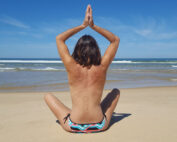
Naked Fitness for Beginners – How to Start Safely and Comfortably
Learn how to start naked fitness with confidence. Discover beginner tips for body awareness, mindfulness, movement, and self-acceptance.